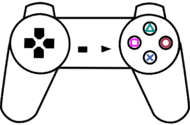
Controller problems in ePSXe follow a pattern: the pad works in other apps, works in the config screen, or works in menus but not in game — each symptom points at a different cause. Match yours below.
Symptom: ePSXe doesn’t see the pad at all
- Plug in before launch. Connect the controller first, then start ePSXe. Pads connected mid-session are the single most common cause.
- Check Windows sees it: joy.cpl should list the pad and respond. If Windows can’t see it, ePSXe can’t either — fix the connection/driver layer first.
- Another app owns it: Steam (or another emulator) running in the background can intercept pads. Close them and relaunch ePSXe.
- Bluetooth asleep: wake the pad and confirm it is connected, not merely paired, before opening the emulator.
Symptom: works in menus, dead in game
The game is reading a different port or pad type than you configured. In Config > Gamepad, make sure Port 1 > Pad 1 holds your mapping (most games read Port 1), and match the pad type to the game: early PS1 titles expect a Digital pad and ignore analog sticks entirely; DualShock-era games want the DualShock type with analog enabled. Full mapping walk-through: controller setup guide.
Symptom: buttons wrong or swapped
Re-map in the config screen by clicking each input and pressing the physical control — do not trust a profile inherited from another emulator. One legacy quirk: v2.0.5 swapped the XInput vibration actuators to match the real PSX left/right, so a rumble that feels mirrored on an old profile is a profile problem, not a pad problem.
Android checks
- Pair in Android’s Bluetooth settings before opening the app, then map under Preferences.
- If the touchscreen pad appears over your game, your external pad profile isn’t active — select it in the input settings.
- USB pads through an OTG adapter need the adapter to support data, not just charging.
- For split-screen multiplayer, each player needs their own pad mapped to their own port — see multiplayer guide.
If the pad works in joy.cpl, is connected before launch, mapped on Port 1 with the right pad type — and still fails in one game only — suspect the game: a small number of titles read the controller in unusual ways and dislike specific pad types. Test a second game before rebuilding your whole configuration.